Link Rot: Why the Web Decays and How to Cope
The links you rely on slowly stop working. Here is why, and what to do about it.
Link rot is the slow decay by which external links stop working as pages move, sites shut down, and content is removed. It quietly ages your best content and weakens its trust, even when the writing is excellent. Monitor so you can repoint or remove dead links, and prefer durable sources.
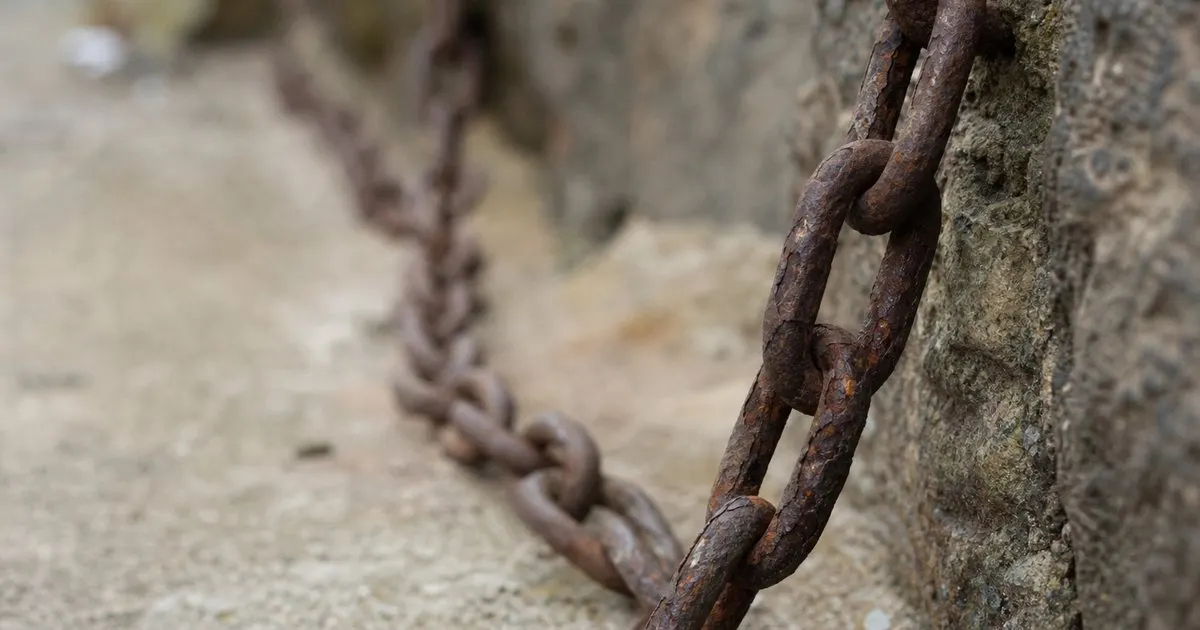
The web is not permanent
Pages move, sites shut down, and content is removed. Over time, a meaningful share of the external links on any older page stop working. This slow decay is known as link rot, and it affects everyone. Related: Internal vs External Broken Links: Which to Fix First
Keep reading: Why Broken Links Quietly Hurt Your SEO, Internal vs External Broken Links: Which to Fix First, How to Find Broken Links at Scale. See how LinkRotly helps you continuous broken link monitoring for websites.
It undermines your content
An article full of dead references looks stale and unreliable, even if the writing is excellent. Link rot quietly ages your best content and weakens the trust it should be building. Related: How do you keep affiliate links from dying quietly and costing you commissions?
Cope with monitoring
You cannot stop other sites from changing, but you can notice when your external links break. Regular checks let you repoint to a live source or remove the reference before a reader finds it dead. Related: What should a marketing team do when links in an already sent email break?
Prefer durable sources
Where you can, link to stable, well maintained sources that are likely to last. It will not eliminate link rot, but it slows it down and keeps your content trustworthy for longer. Related: How do you find valuable backlinks pointing to pages on your site that no longer exist?
- The web decays, so external links inevitably rot
- Dead references make good content look unreliable
- Monitor so you can repoint or remove broken links
- Prefer durable, stable sources when you link out

Julien Jimenez
Julien Jimenez is an independent software builder based in Paris. He designs, ships, and operates focused SaaS products for small businesses and independent professionals. Read the full author page.
Frequently asked questions
Can you prevent link rot entirely?
No. You cannot stop other sites from changing, moving, or shutting down. But you can monitor your external links and repoint or remove them before a reader finds them dead.
How does linking to durable sources help?
Linking to stable, well-maintained sources that are likely to last will not eliminate link rot, but it slows it down and keeps your content trustworthy for longer.
Find broken links before your visitors do
Continuous broken link monitoring for websites. LinkRotly is built to help you put this into practice.
Scan my siteMore from the LinkRotly blog
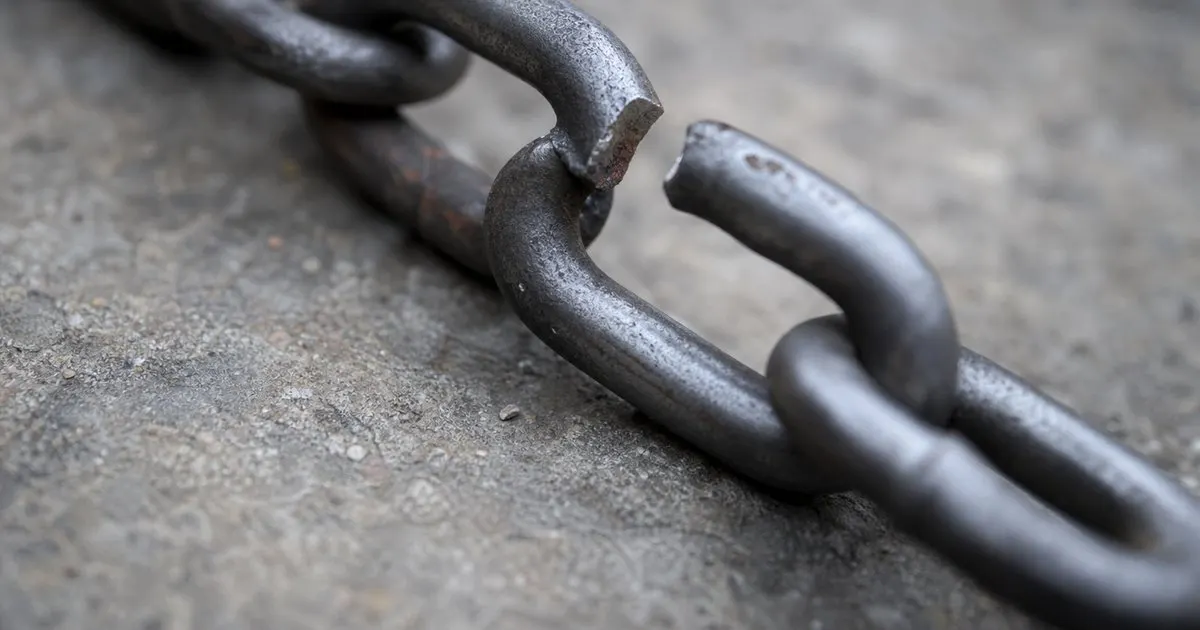
Why Broken Links Quietly Hurt Your SEO

Internal vs External Broken Links: Which to Fix First

How to Find Broken Links at Scale
Get the LinkRotly playbook
Practical guides on broken link monitoring, straight to your inbox as we publish them. No spam, unsubscribe any time.